







Search Results for: crema extraction

Espresso Crema | What Factors Affect Crema Thickness? Recommended Specialty Coffee Beans for Rich Crema in Espresso Extraction
Some friends often ask us for advice on espresso extraction issues. Many of them have encountered situations where the espresso shot lacks golden crema or the crema is thin. Since for espresso, that golden crema is its very soul, when the coffee has no crema [more…]
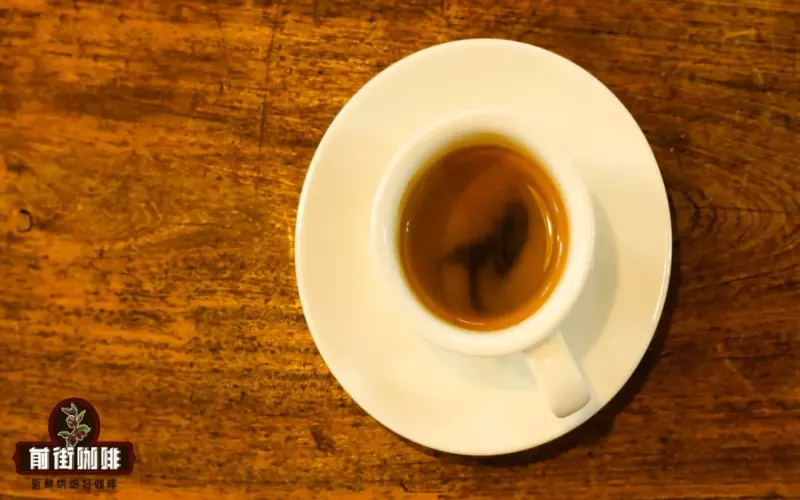
Espresso Crema Extraction Techniques | Is Coffee Crema Actually Oil? How to Make Espresso Black Coffee with Crema Using an Espresso Machine or Moka Pot?
A while back, when Front Street Coffee was tinkering with a moka pot in the shop, a friend saw that the moka pot coffee Front Street brewed had a very thick layer of crema, so they asked Front Street for the secret to brewing such thick crema, because the moka pot coffee they brewed at home had very thin crema. The same situation often occurs with espresso machine users as well. [more…]
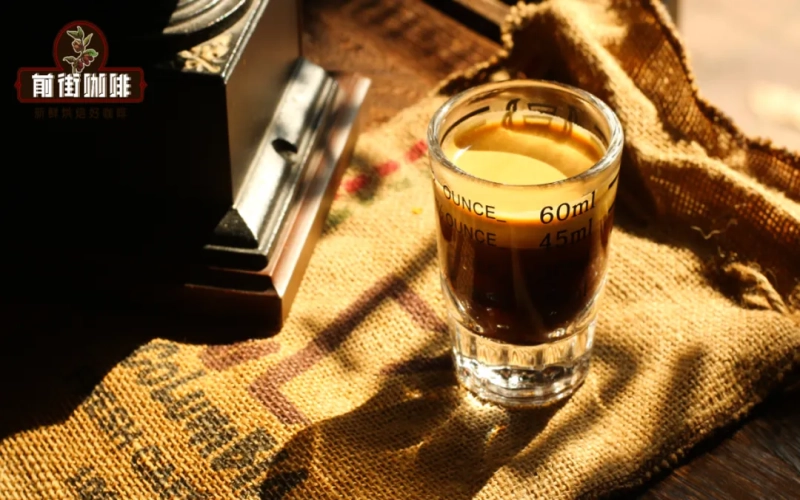
What determines the thickness of espresso crema? The essence of crema and the key factors for extracting rich crema
Many coffee enthusiasts pay extra attention to the richness of the crema when extracting espresso—some for the sake of latte art, others influenced by merchant marketing. But is thicker crema really better? In fact, crema is just a layer of foam propped up by carbon dioxide, and it doesn't directly determine coffee flavor. The core factor that truly affects crema thickness is the carbon dioxide content in the coffee beans. This article, from Front Street's perspective, will analyze the essence of crema, the relationship between crema and taste, and how to achieve ideal, rich crema through bean selection and extraction. [more…]
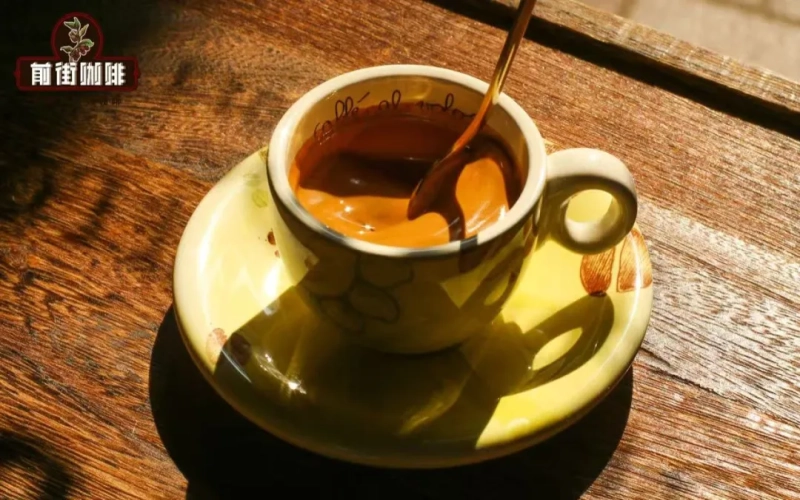
What Is Espresso Crema? Analyzing the Causes of Coffee Crema and Judging Extraction Quality
Espresso may be a niche beverage, but it serves as the base for drinks like lattes and Americanos. The golden layer of oil on its surface is called Crema, formed by coffee's insoluble oils wrapping around carbon dioxide, and it can only be produced by the 9-bar pressure of an espresso machine. The crema not only brings caramel and nutty aromas but also enhances the visual appeal of latte art. However, when the crema fails to appear or looks abnormal, it often reflects issues with bean freshness, grinding, or distribution. This article explains in detail the causes of Crema and provides a guide to selecting coffee beans rich in crema, and teaches you how to judge the quality of extraction through the color, texture, and clumping of the crema, while also recommending two espresso beans suitable for home use: Front Street Classic Blend and Front Street Dark Cocoa Base Blend. [more…]
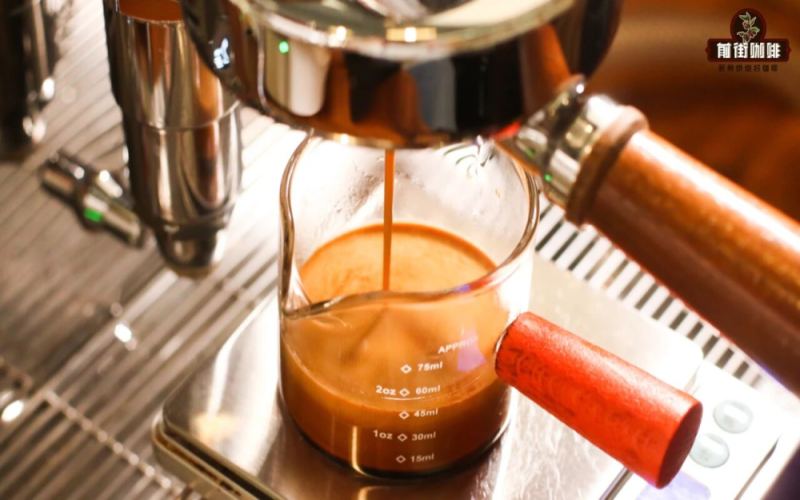
Summary of Reasons for Espresso Crema Extraction Failure: Key Judgments Based on Color Depth and Crema Thickness
The golden-yellow oil on the surface of espresso, known as crema, is regarded by many coffee lovers as the soul symbol of a good shot. Under normal conditions, the liquid should be covered by a golden-yellow crema layer about one-third thick, with a creamy texture when swirled and a clear cling to the cup wall. However, many people encounter thin or even completely missing crema in practice, which may involve multiple variables such as coffee bean variety, roast level, freshness, grind size, water temperature, and coffee machine pressure. Front Street Coffee has systematically sorted out these common issues, analyzing everything from bean selection to equipment parameters one by one, to help everyone quickly pinpoint the problem in the extraction process and bring back that alluring golden-yellow crema. [more…]
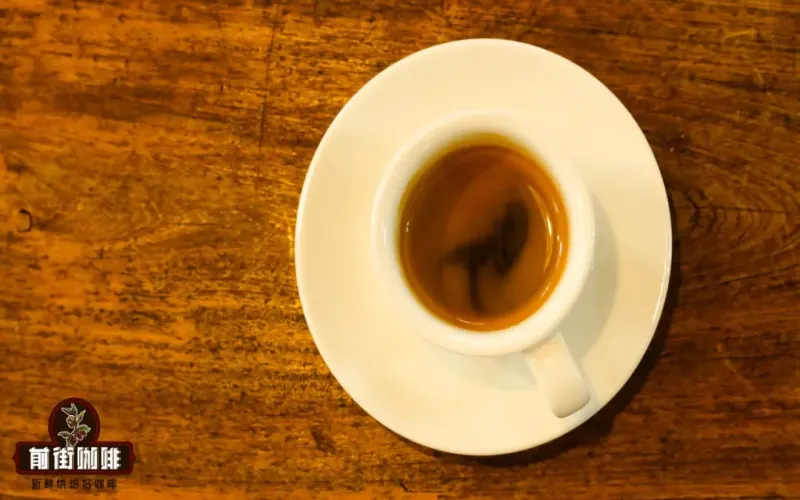
Why Moka Pots and Espresso Machines Produce Thin Crema: The Nature of Crema, Carbon Dioxide, and Pressure Explained
Many friends who use moka pots or espresso machines run into the problem of thin crema in their espresso. In fact, what we call "coffee oil" isn't real oil at all, but an emulsion-like foam called crema, formed when coffee lipids wrap around carbon dioxide bubbles. Two core factors affect how rich the crema is: the carbon dioxide content of the coffee beans themselves, and the pressure applied during extraction. Carbon dioxide content depends on roast level and freshness, while pressure is closely tied to dose and grind size. This article breaks down the reasons for thin crema one by one, explains why the amount of crema doesn't directly equate to coffee quality, and recommends Front Street Coffee beans suited to moka pots and espresso machines, helping you adjust your extraction approach accordingly. [more…]
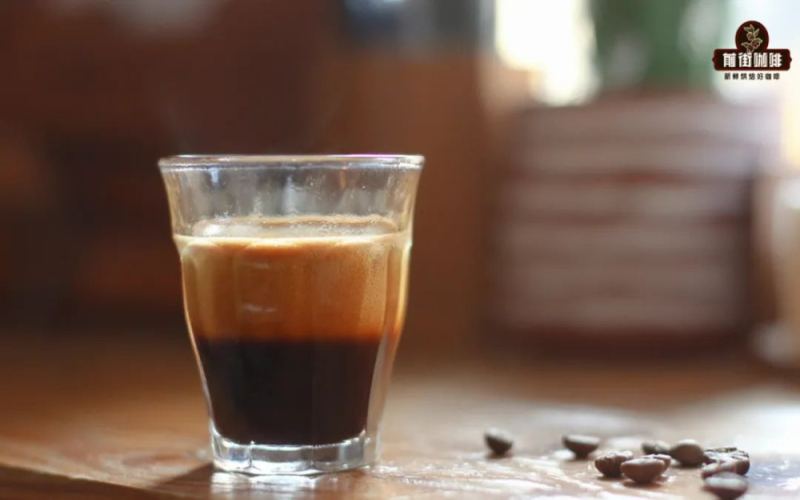
Where Does the Crema on Espresso Come From? A Detailed Explanation of Its Composition and Tips for Extracting a Rich Crema
The golden-yellow oil layer on the surface of espresso, known as Crema, is an important reference for many coffee enthusiasts when judging the quality of an espresso. But what substances actually make up this "oil" layer? Why is some espresso crema thick and long-lasting, while other crema is thin and dissipates easily? This article will start from the compositional nature of crema, trace the evolution of espresso machines, and analyze one by one the effects of coffee bean variety, origin, roast level, freshness, as well as extraction pressure and coffee-to-water ratio on crema performance. At the same time, combined with Front Street Coffee's espresso blend recommendations, it provides practical advice for achieving thick crema in both home and cafe settings, helping you understand and master the extraction logic of espresso more systematically. [more…]
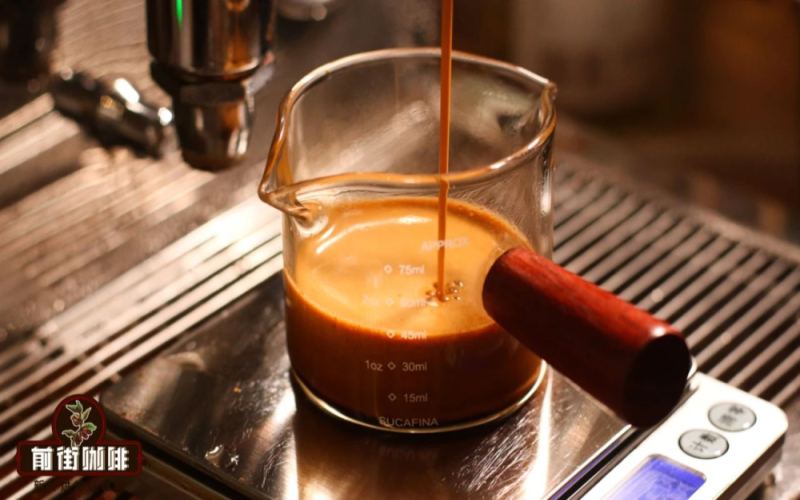
Five Major Reasons for Missing Crema in Espresso and a Guide to Adjusting Extraction Parameters
The golden crema on the surface of espresso is often regarded as the soul of Italian coffee, yet many enthusiasts encounter thin or even completely absent crema when pulling shots. Drawing on the practical experience of Front Street Coffee, this article systematically outlines the five key factors affecting crema formation—coffee bean freshness, roast level, extraction degree, varietal differences, and coffee machine pressure—and provides diagnostic methods and adjustment suggestions for common problems such as overly light roasts, stale beans, insufficient machine pressure, coarse grinding, and low water temperature. Whether you use a home machine or commercial equipment, you can find troubleshooting directions here to restore the rich crema and creamy texture that espresso deserves. [more…]

Espresso with little or no crema? A step-by-step analysis of the causes, from freshness and roast level to extraction parameters.
The golden layer of crema on the surface of espresso is often regarded as an important signal for judging the state of extraction. Under normal circumstances, the concentrated liquid will be covered by a golden crema about one-third of its thickness, showing a creamy texture when swirled, with noticeable clinging to the cup wall. If the extracted coffee lacks crema or has thin crema, it often indicates that something in the process has gone wrong—it could be the condition of the coffee beans themselves, or deviations in machine pressure, grind size, or water temperature. This article analyzes multiple factors affecting the amount of crema, including coffee bean freshness, roast level, degree of extraction, coffee machine pressure, and varietal differences, and provides diagnostic approaches for five common problem scenarios. The article also introduces Front Street Coffee's related products in fresh roasting and espresso blends. [more…]
Where does the rich crema of espresso come from? A detailed explanation of crema's composition and the key to extraction
The golden, enticing layer of crema on the surface of espresso is an important reference for many coffee lovers in judging the quality of the brew. But do you know what this substance, called Crema, is actually made of? How does it differ from true coffee oil? And how can you get a richer Crema during extraction? This article begins with a customer feedback incident at Front Street Coffee, traces the evolution of espresso machines, analyzes the formation principles of Crema, and shares practical ideas for making rich crema from three dimensions: coffee bean selection, equipment conditions, and extraction methods, helping you pull a satisfying espresso at home too. [more…]
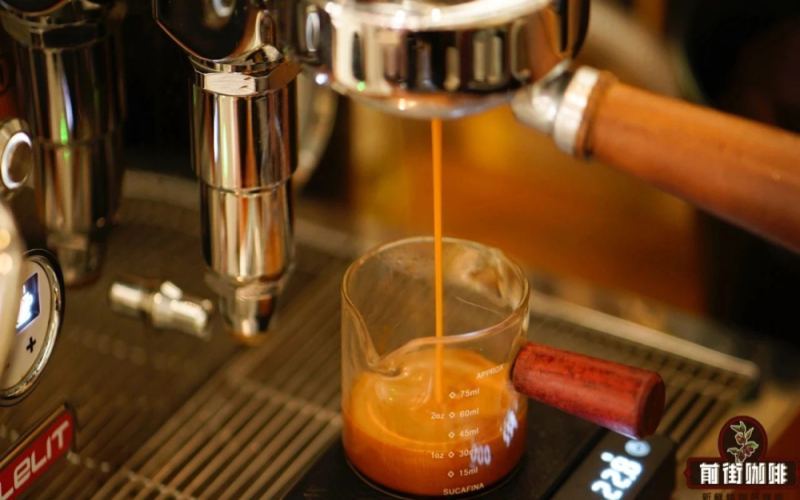
Analysis of the Causes of Thin or Absent Espresso Crema and Ideas for Improving Extraction
That golden layer of oil on the surface of espresso, which Italians call Crema, is a unique product formed when an espresso machine at 9 bar pressure wraps carbon dioxide and emulsified fats together. It not only enhances visual appeal but also affects mouthfeel, aroma, and latte art performance. However, many coffee enthusiasts encounter problems during extraction such as no crema, pale crema, rough and overly foamy crema, or clumpy crema. Starting from Front Street's extraction experience, this article systematically reviews the compositional principles of Crema, analyzes the causes behind different crema forms, and offers practical advice from bean selection to equipment parameters to help you make an Espresso with dense, ideal crema. [more…]
What causes insufficient crema in espresso? A full analysis of crema composition and extraction issues
That golden layer of crema on top of espresso, which Italians call Crema, is an important visual indicator for judging the quality of a cup of Espresso. It is not actual oil, but rather an emulsion layer formed by the insoluble fats in coffee wrapping around carbon dioxide, and only an espresso machine with 9 bars of pressure can consistently produce it. When the crema is missing, thin, pale, coarse and foamy, or clumpy, it often points to specific problems with bean freshness, roast level, equipment performance, or extraction parameters. Starting from Front Street's extraction experience, this article sorts out the causes and evaluation criteria of Crema, helping you identify the root of the problem by observing the form of the crema, so you can make a cup of espresso with a rich, dense crema. [more…]
Espresso Crema Explained: Composition, Extraction Factors, and Troubleshooting Common Issues
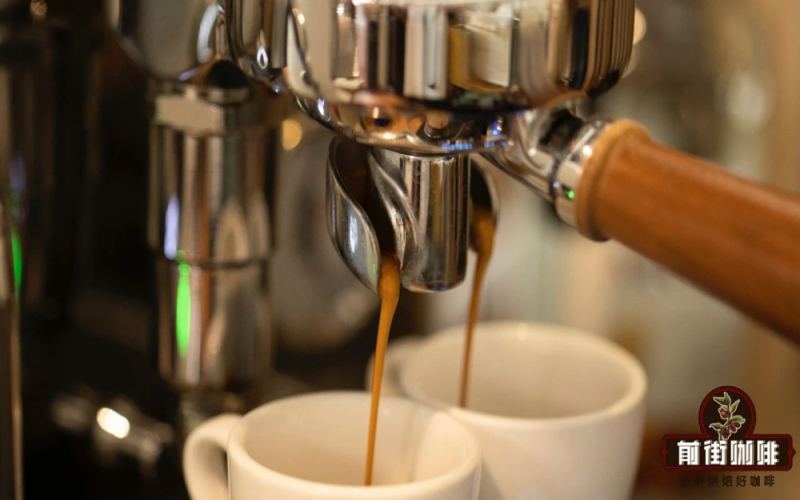
The golden, dense layer of crema on the surface of espresso, known in Italian as crema, is the most recognizable visual feature of espresso and an important basis for many coffee enthusiasts to judge extraction quality. What substances actually make up this layer of crema? What conditions influence its thickness? Starting from the essence of coffee crema, this article systematically sorts out the effects of key variables such as coffee bean variety and roast level, extraction pressure, flow rate, and channeling on crema performance, and analyzes the reasons one by one for common situations where crema is missing or too thin during extraction. At the same time, combined with the characteristics of several commercial blend beans from Front Street Coffee, it provides selection suggestions suitable for different needs, helping readers understand the crema performance of espresso more comprehensively. [more…]
Espresso Crema | What Is Crema in Espresso? What Coffee Information Can the Crema on an Espresso Reveal?
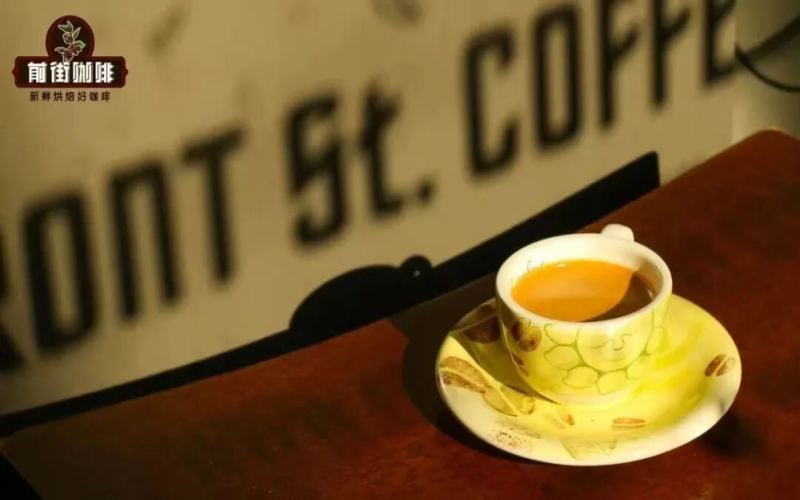
As is well known, the coffee extracted from an espresso machine is not only very rich and intense, but also comes with a layer of golden crema. Because this layer of crema gives the coffee a rich aroma and a smooth, dense mouthfeel, and is also a product unique to espresso, people often call it the soul of espresso. But... [more…]
Analysis of the Causes of Missing Crema in Espresso and Recommendations for Coffee Beans Suitable for Making Espresso
The golden layer of crema on the surface of an espresso is an important indicator of whether the extraction is ideal. However, many coffee enthusiasts encounter the problem of missing or overly thin crema in actual practice. Behind this may lie the freshness of the coffee beans, the degree of roast, differences in variety, or deviations in equipment pressure, grind size, or water temperature. This article systematically sorts out the various factors affecting crema formation and, for different needs, recommends several Front Street Coffee beans suitable for making espresso, helping readers take full control from bean selection to extraction and make a cup of espresso with rich crema and a mellow, pure taste. [more…]
The Complete Guide to Extracting Rich Crema with a Moka Pot: Principles, Bean Selection, and Operational Techniques Explained in Detail
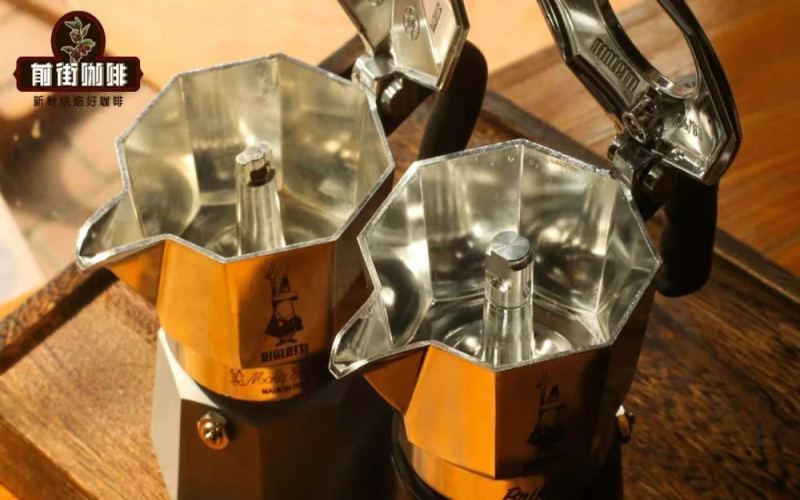
Many moka pot users are puzzled by why the coffee they brew lacks that alluring golden crema, while the pictures shown by merchants always feature thick foam. In fact, the essence of moka pot crema is the same as the Crema of espresso—both are foam clusters formed by carbon dioxide wrapped in emulsified oils, except that the pressure a moka pot can provide is far lower than that of an espresso machine, resulting in coarser and thinner foam. Starting from the common questions in Front Street Coffee's back-office inquiries, this article first analyzes the essence and formation conditions of crema, then systematically shares practical methods to enhance the richness of moka pot crema, including coffee bean selection, grind size adjustment, water temperature control, and the use of a pressure valve, and recommends several Front Street Coffee brand coffee beans suitable for moka pots, helping you easily extract a satisfyingly rich crema. [more…]
The Secrets Behind Espresso Crema Thickness: Judging Coffee Bean Freshness and Extraction Timing from Crema Condition
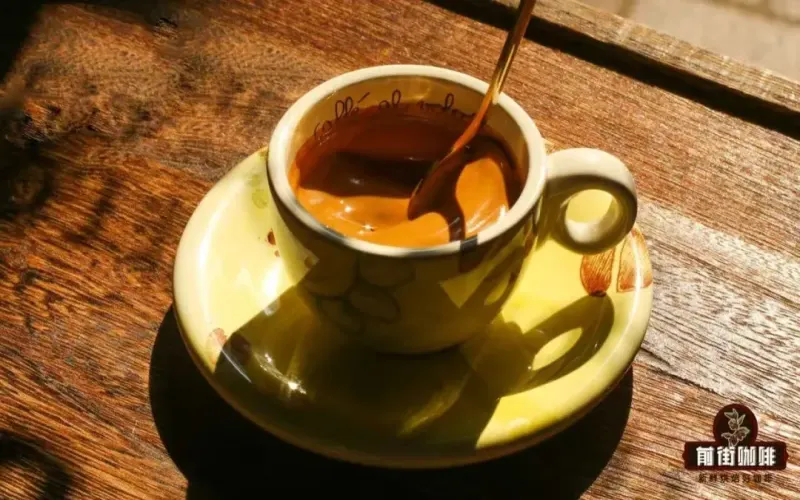
The layer of golden-brown crema on the surface of an espresso is not just a visual pleasure—it actually carries important clues about the state of the coffee beans. Many friends who own espresso machines will notice that the crema extracted each time is sometimes thick and rough, and sometimes fine and thin. These differences are not accidental, but an external manifestation of changes in the carbon dioxide content inside the coffee beans. From the perspective of Front Street, this article guides everyone to understand the essential composition of crema, and to learn to judge whether the coffee beans are in their optimal flavor period by observing the thickness, fineness, and stability of the crema, so as to adjust the extraction plan in time and let every cup of espresso perform at its proper level. [more…]
Analysis of the Reasons for Missing Espresso Crema, and a Guide to Choosing Espresso Beans for Rich Crema
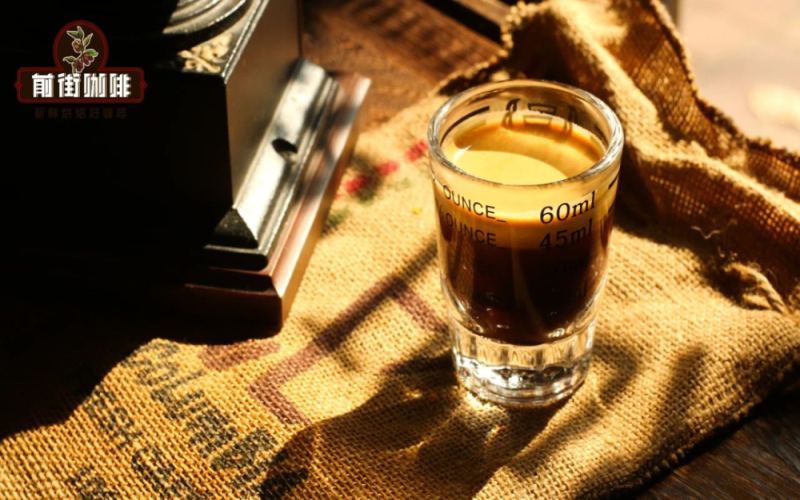
The golden, velvety layer of Crema on the surface of espresso is the unique charm of Italian coffee. But many people often encounter thin, pale, or even completely missing crema when brewing at home. How exactly is this layer of crema formed? And how should you choose the right espresso beans to achieve the ideal Crema? Starting from the principles of crema composition, combined with Front Street Coffee's blend recommendations, this article will analyze in detail the key factors affecting Crema richness, and teach you to judge the extraction state by observing crema patterns, solving common problems one by one such as insufficient coffee machine pressure, stale beans, and improper grind size, helping you consistently produce a cup of Espresso with rich crema. [more…]
Espresso with thin or no crema? A comprehensive troubleshooting guide from coffee beans to the machine
The golden, dense layer of crema on the surface of espresso is often regarded as an important sign of a successful extraction. Many coffee enthusiasts find in practice that the espresso they brew either has thin crema or none at all. This may involve multiple factors such as the freshness of the coffee beans, the degree of roast, the choice of variety, the grind size, the water temperature, and the pressure of the espresso machine. In response to these common concerns, Front Street Coffee has sorted out the various factors that may cause a lack of crema, and combined them with the formulation approach of a classic espresso blend to help everyone troubleshoot the problem one by one, so that every cup of espresso can present the ideal state of crema. [more…]
Coffee crema | What is the composition of crema in espresso? What should you do if there is no crema or the crema is clumpy when extracting espresso?
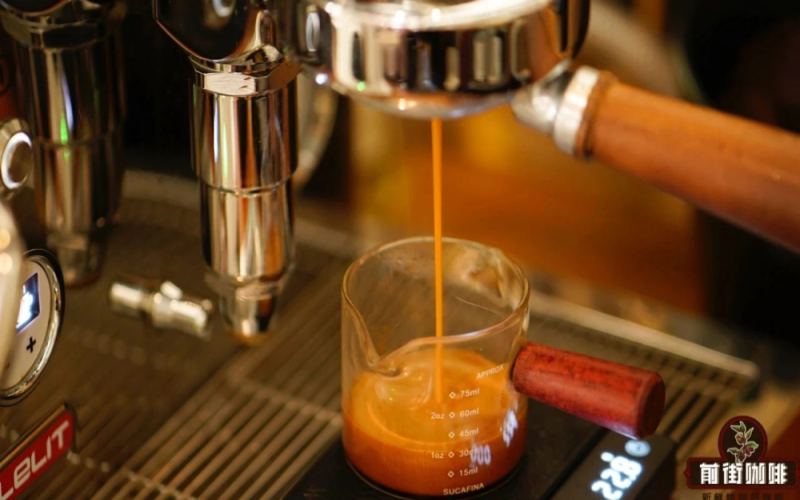
What is espresso? Espresso is a very, very small cup of coffee, about two or three sips and it's gone. Its flavor is extremely intense, and many people find it hard to accept. The small cup size and intense flavor are the reasons espresso has a very small audience in China, but latte made with milk and Americano made with water [more…]